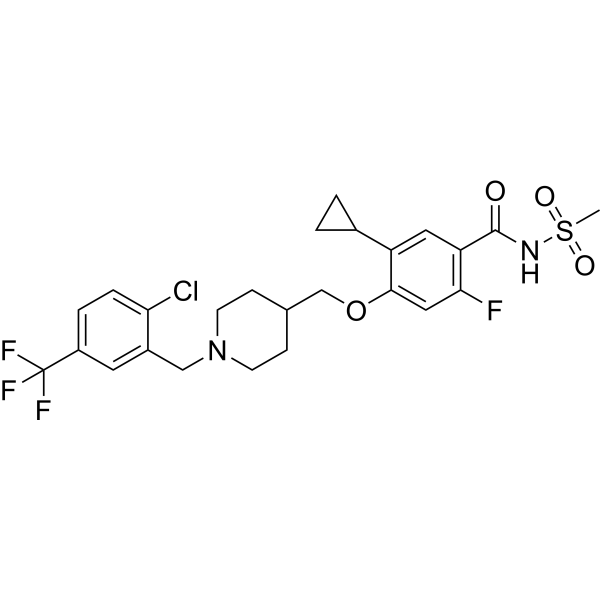
Nav1.7
NaV1.7, encoded by SCN9A, is a voltage-gated sodium channel strongly linked to human nociception, because loss-of-function mutations cause congenital inability to experience pain[1]. Mechanistically, NaV1.7 supports nociceptor excitability and pain signaling, and human studies show that NaV1.7 loss can produce a profound loss of functional nociceptors[2]. In disease models and inherited pain syndromes, gain-of-function SCN9A mutations are associated with paroxysmal extreme pain disorder and related painful phenotypes[3]. Compared with related isoforms, human dorsal root ganglion neurons show higher NaV1.7 expression and lower NaV1.8 expression than mouse dorsal root ganglion neurons, which is relevant for translational pain research[4]. For experimental applications, inflammatory mediators such as NGF and IL-6 sensitize adult dorsal root ganglion neurons, and combined NaV1.7/NaV1.8 blockade strongly affects thermally evoked firing[5]. Structural studies of NaV1.7 antagonists map drug-binding sites and support rational inhibitor design[6].
References:
- [1]. Cox JJ, et al. An SCN9A channelopathy causes congenital inability to experience pain. Nature. 2006 Dec 14;444(7121):894-8. [Content Brief]
- [2]. McDermott LA, et al. Defining the Functional Role of NaV 1.7 in Human Nociception. Neuron. 2019 Mar 6;101(5):905-919.e8. [Content Brief]
- [3]. Fertleman CR, et al. SCN9A mutations in paroxysmal extreme pain disorder: allelic variants underlie distinct channel defects and phenotypes. Neuron. 2006 Dec 7;52(5):767-74. [Content Brief]
- [4]. Chang W, et al. Expression and Role of Voltage-Gated Sodium Channels in Human Dorsal Root Ganglion Neurons with Special Focus on Nav1.7, Species Differences, and Regulation by Paclitaxel. Neurosci Bull. 2018 Feb;34(1):4-12. [Content Brief]
- [5]. Atmaramani RR, et al. Conserved Expression of Nav1.7 and Nav1.8 Contribute to the Spontaneous and Thermally Evoked Excitability in IL-6 and NGF-Sensitized Adult Dorsal Root Ganglion Neurons In Vitro. Bioengineering (Basel). 2020 May 16;7(2):44. [Content Brief]
- [6]. Wu Q, et al. Structural mapping of Nav 1.7 antagonists. Nat Commun. 2023 Jun 3;14(1):3224. [Content Brief]
-
Nav1.7 Related Products (64)
Related Products (64)

-
Veratridine
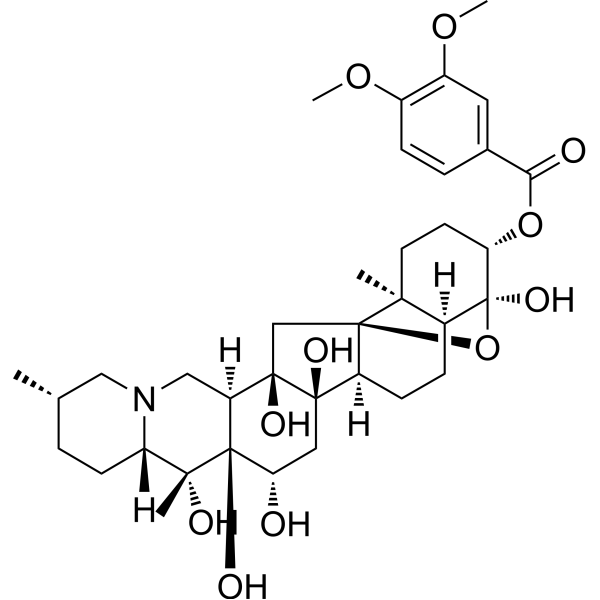 0 ImagesVeratridine (3-Veratroylveracevine) is a plant neurotoxin, a voltage-gated sodium channels (VGSCs) agonist. Veratridine inhibits the peak current of Nav1.7, with an IC50 of 18.39 µM. Veratridine regulates sodium ion channels mainly by activating sodium ion channels, preventing channel inactivation and increasing sodium ion flow.
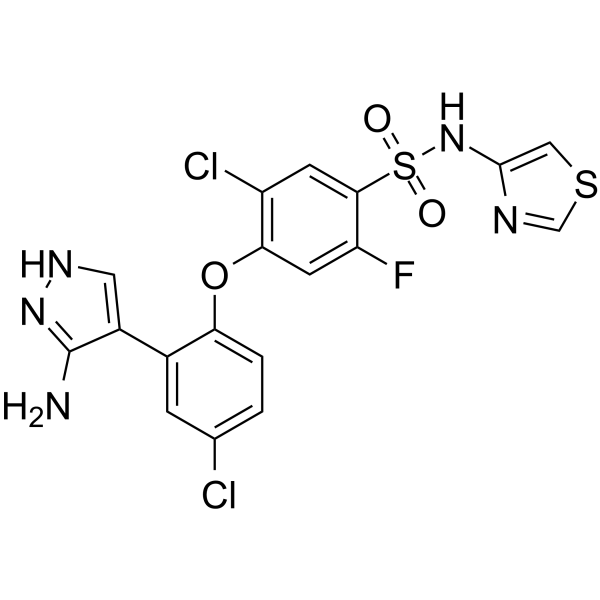
-
DSP-2230
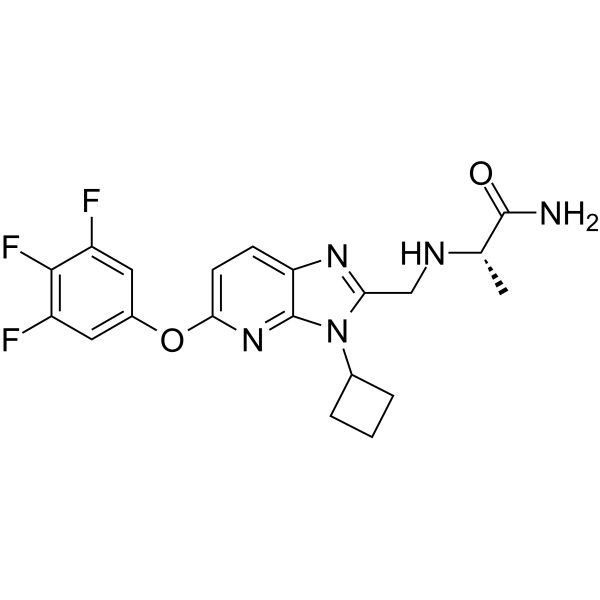 0 ImagesSynonyms: ANP-230DSP-2230 is the orally active inhibitor for voltage-gated sodium channel that inhibits Nav1.7-, Nav1.8-, and Nav1.9-derived sodium currents with IC50s of 7.1 μM, 11.4 μM and 6.7 μM, respectively. DSP-2230 can be used to improve neuropathic pain.
-
PF-04856264
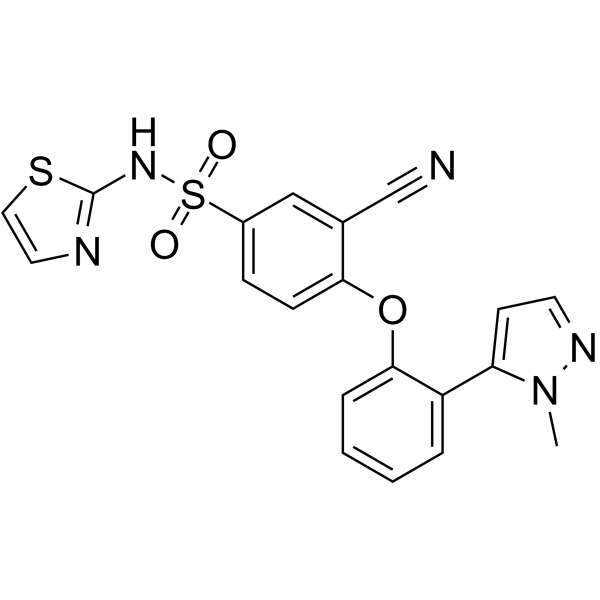 0 ImagesPF-04856264 is a potent and selective Nav1.7 inhibitor, with IC50s of 28, 131, 19, and 42 nM for human, mouse, cynomolgus monkey and dog Nav1.7, respectively. PF-04856264 has low potency against the rat Nav1.7 channel. PF-04856264 shows analgesic effect.
-
PF-06456384 trihydrochloride
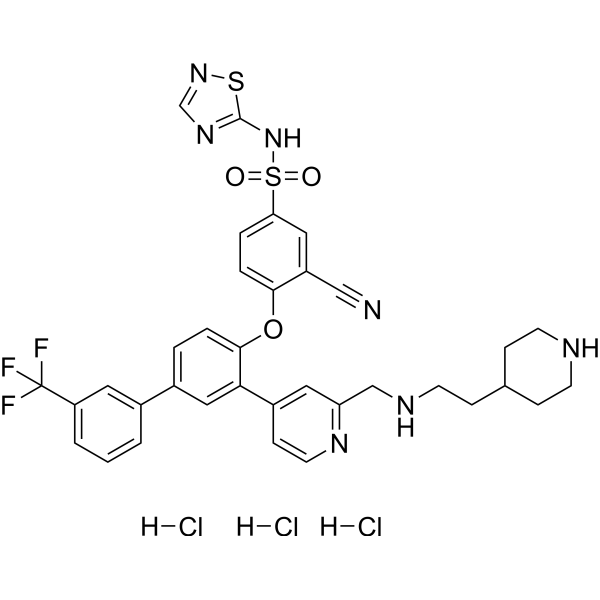 0 ImagesPF-06456384 trihydrochloride is an extremely potent and selective Nav1.7 sodium channel blocker (IC50: 0.01 nM for hNaV1.7; 75 nM for rNaV1.7; <0.1 nM for mNaV1.7). PF-06456384 trihydrochloride shows no significant analgesic efficacy in the mouse Formalin pain model.
-
ProTx II TFA
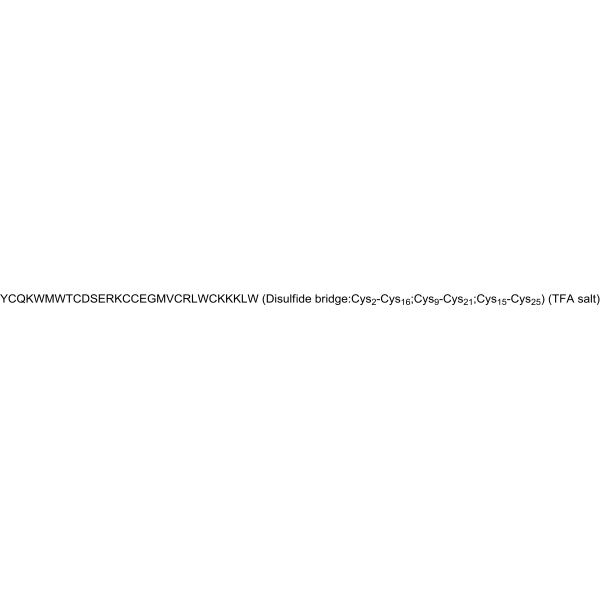 0 ImagesCat. No.: HY-P1221APurity: 99.86%ProTx II TFA is a selective blocker of Nav1.7 sodium channels, with an IC50 value of 0.3 nM and a Ki of 0.389 nM against human NaV1.7. ProTx II TFA selectively blocks spinal cord NaV1.7 by reducing conductance and altering voltage dependence of activation, preferentially binds to the splice region of aNaV1.5, and can also block sodium channel subtypes such as Nav1.4 and Nav1.6. ProTx II TFA alleviates thermal hyperalgesia in diabetic mice and prevents the propagation of action potentials in nociceptors. ProTx II TFA can be used for research related to painful diabetic neuropathy and pain disorders.
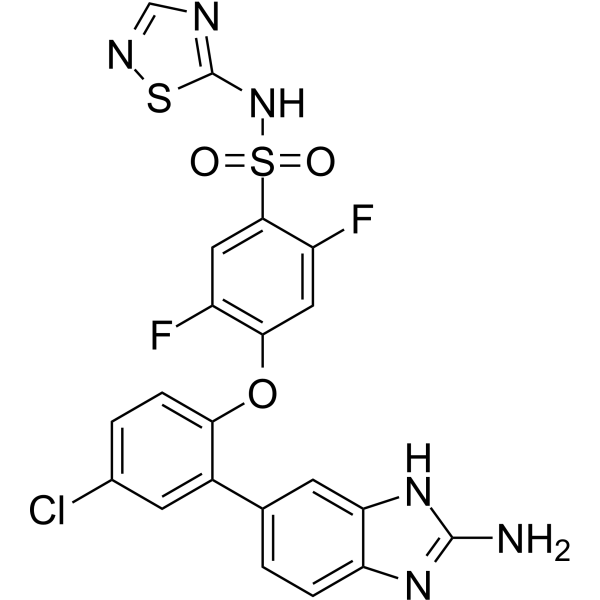
-
ProTx II
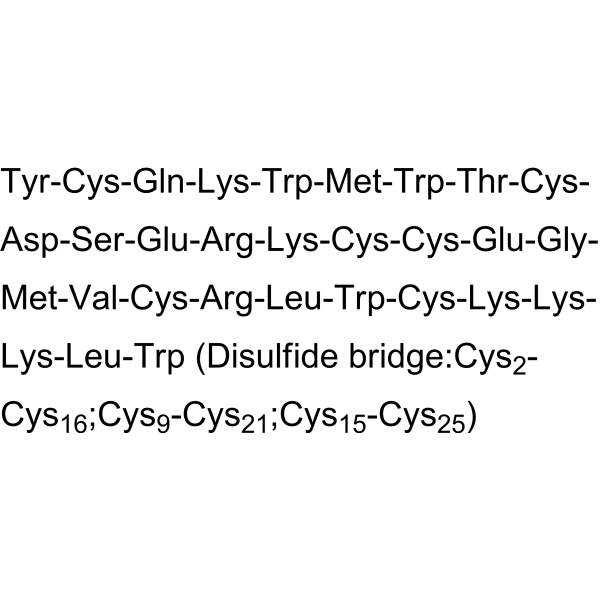 0 ImagesProTx II is a selective blocker of Nav1.7 sodium channels, with an IC50 value of 0.3 nM and a Ki of 0.389 nM against human NaV1.7. ProTx II selectively blocks spinal cord NaV1.7 by reducing conductance and altering voltage dependence of activation, preferentially binds to the splice region of aNaV1.5, and can also block sodium channel subtypes such as Nav1.4 and Nav1.6. ProTx II alleviates thermal hyperalgesia in diabetic mice and prevents the propagation of action potentials in nociceptors. ProTx II can be used for research related to painful diabetic neuropathy and pain disorders.
-
TC-N 1752
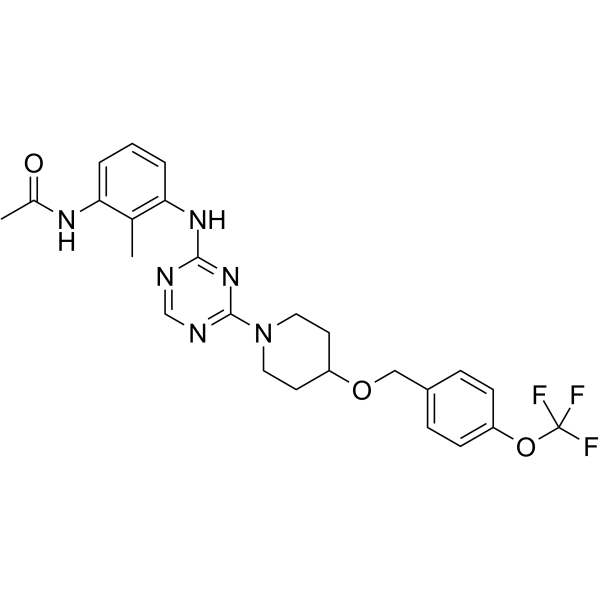 0 ImagesTC-N 1752 is a potent and orally active inhibitor of Nav1.7, with IC50s of 0.17 μM, 0.3 μM, 0.4 μM, 1.1 μM and 2.2 μM at hNav1.7, hNav1.3, hNav1.4, hNaV1.5 and rNav1.8, respectively. TC-N 1752 also inhibits tetrodotoxin-sensitive sodium channels. TC-N 1752 shows analgesic efficacy in the Formalin model of pain.
-
GDC-0276
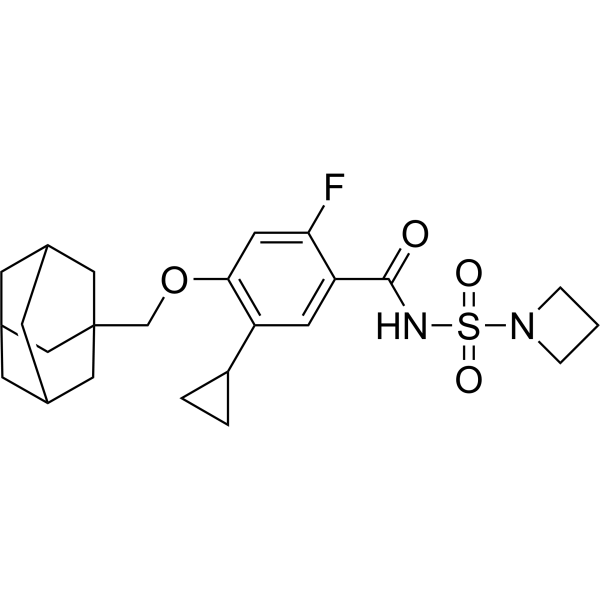 0 ImagesGDC-0276 is a potent, selective, reversible and orally active NaV1.7 inhibitor with an IC50 value of 0.4 nM. GDC-0276 is well tolerated and exhibits a good pharmacokinetic profile. GDC-0276 has the potential for the treatment of pain and to address shortcomings of existing pain medications, such as addiction and off-target side effects.
-
Raxatrigine hydrochloride
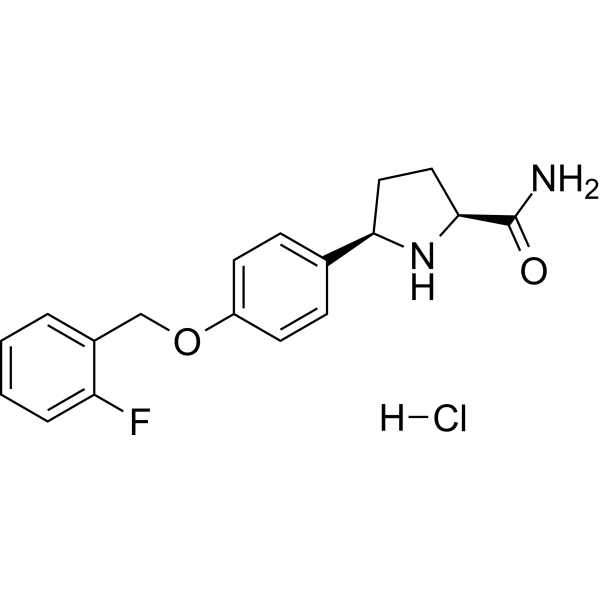 0 ImagesSynonyms: Vixotrigine hydrochloride; GSK-1014802 hydrochloride; CNV1014802 hydrochlorideRaxatrigine hydrochloride (GSK-1014802 hydrochloride) is a novel small molecule state-dependent sodium channel blocker; Nav1.7 sodium channel inhibitor.
-
AM-2099
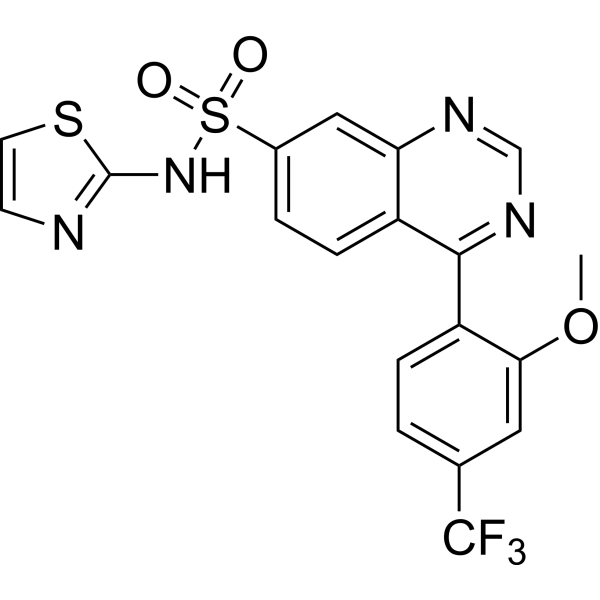 0 ImagesAM-2099 is a potent and selective inhibitor of voltage-gated sodium channel Nav1.7 with an IC50 of 0.16 μM for human Nav1.7.
-
Raxatrigine
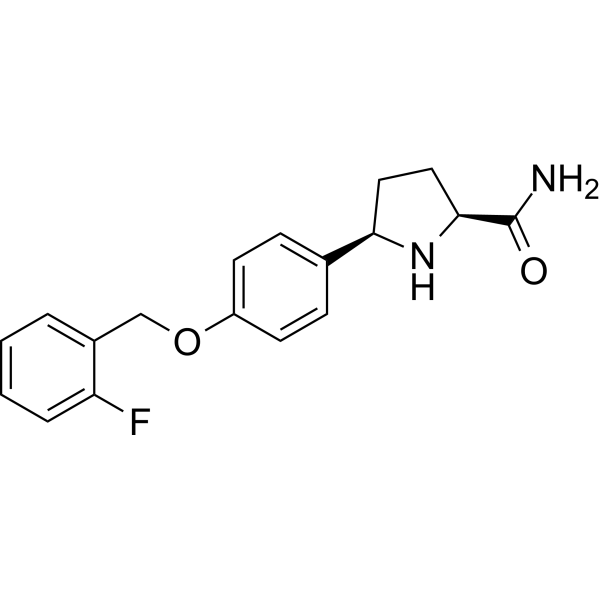 0 ImagesSynonyms: Vixotrigine; GSK-1014802; CNV1014802Raxatrigine (GSK-1014802) is a novel small molecule state-dependent sodium channel blocker; Nav1.7 sodium channel inhibitor.
-
GDC-0310
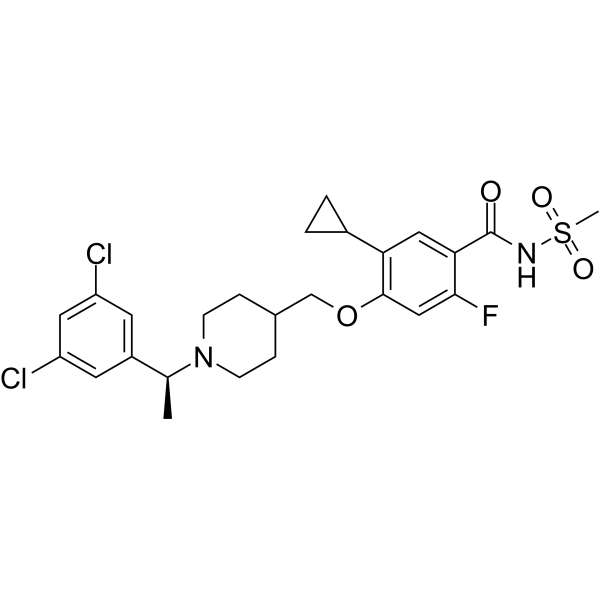 0 ImagesGDC-0310 is a selective acyl-sulfonamide Nav1.7 inhibitor, with an IC50 of 0.6 nM for hNav1.7.
-
Funapide
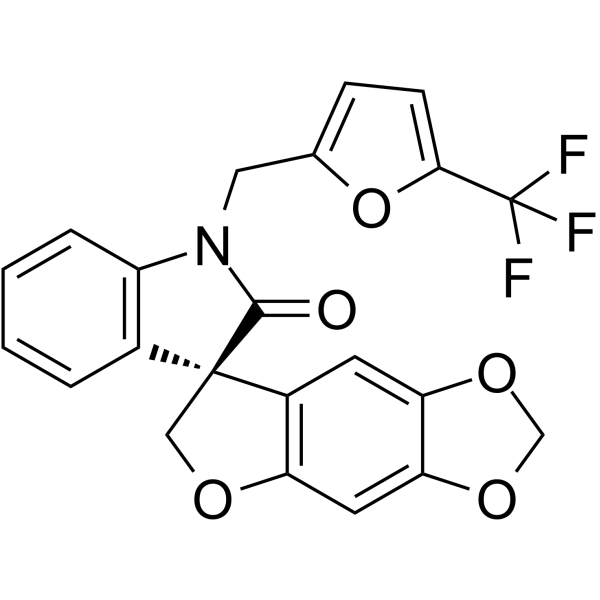 0 ImagesSynonyms: TV 45070; XEN402Funapide (TV 45070; XEN402) is an orally active inhibitor of voltage-gated sodium channels (VGSC) in the peripheral nervous system with IC50 values ??of 84 nM and 54 nM for Nav1.5 and Nav1.7, respectively. Funapide has analgesic effects.
-
XEN907
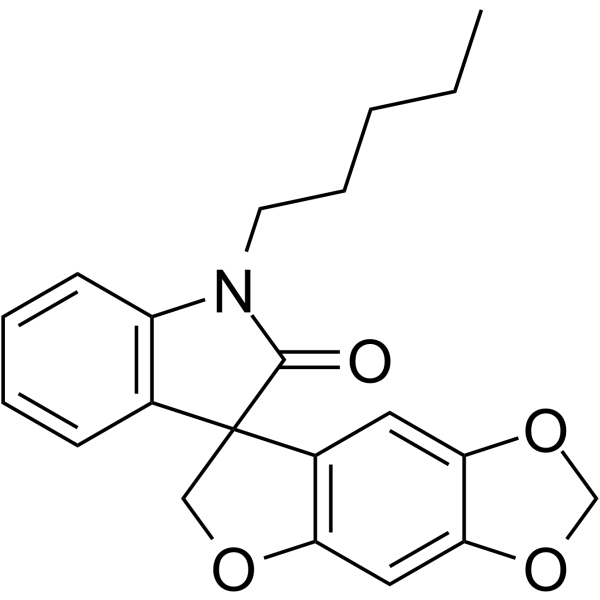 0 ImagesXEN907 is a potent and spirooxindole blocker of NaV1.7, with an IC50 of 3 nM. XEN907 also inhibits CYP3A4 in a recombinant human enzyme assay. XEN907 can be used for the research of pain.
-
Nav1.7 inhibitor
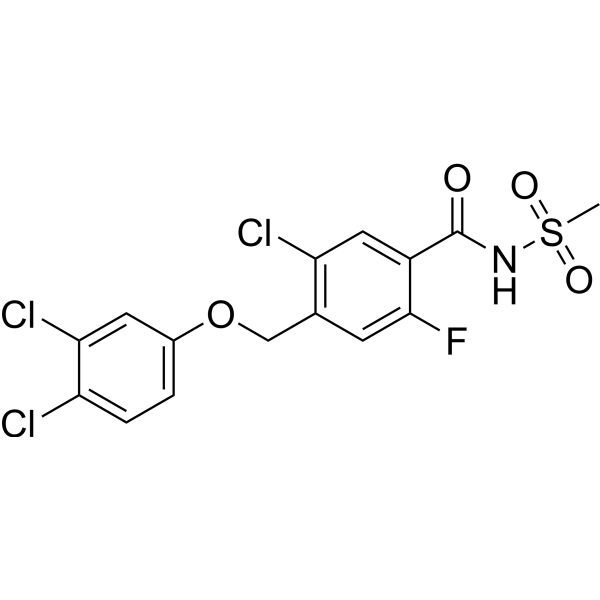 0 ImagesNav1.7 inhibitor (compound II), a sulfonamide, is a potent Nav1.7 inhibitor. Nav1.7 inhibitor has the potential for a wide range of disorders, particularly pain, including acute pain, inflammatory pain and/or neuropathic pain.
-
DS-1971a
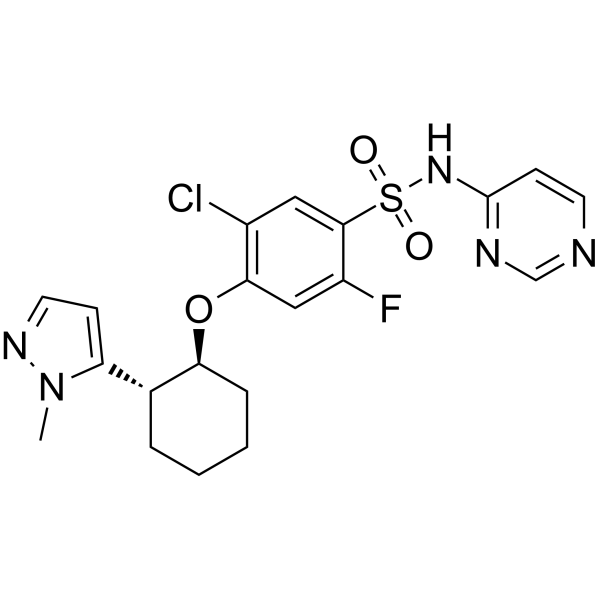 0 ImagesDS-1971a is a potent, selective, and orally active NaV1.7 inhibitor, with IC50s of 22.8 and 59.4 nM for hNaV1.7 and mNaV1.7, respectively. DS-1971a exerts analgesic effects.
-
GNE-131
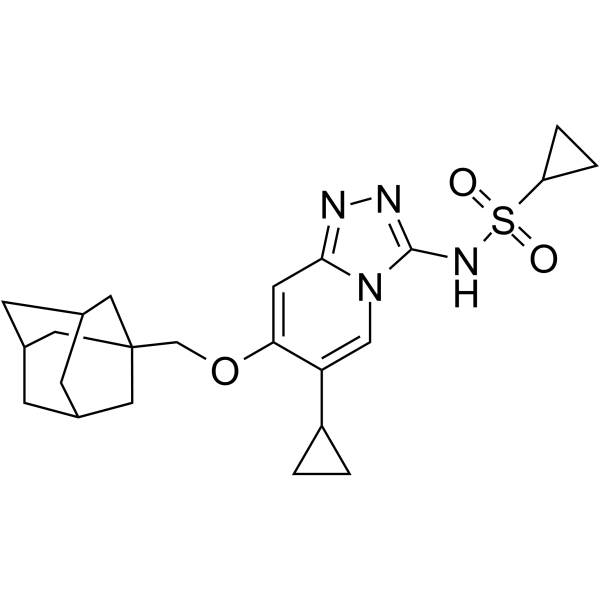 0 ImagesGNE-131 is a potent and selective inhibitor of human sodium channel NaV1.7, with an IC50 of 3 nM.